Rose: A Thoughtful Embroidery Design Review
First Impressions: Grace, Not Gimmick
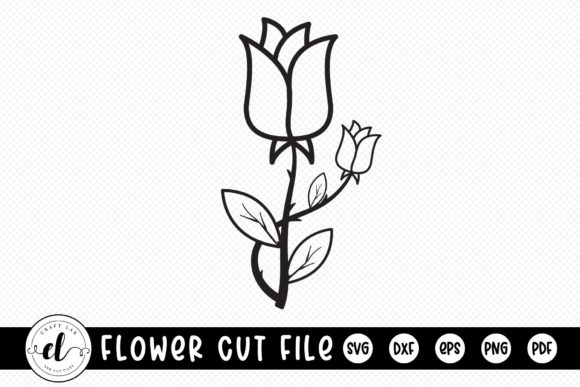
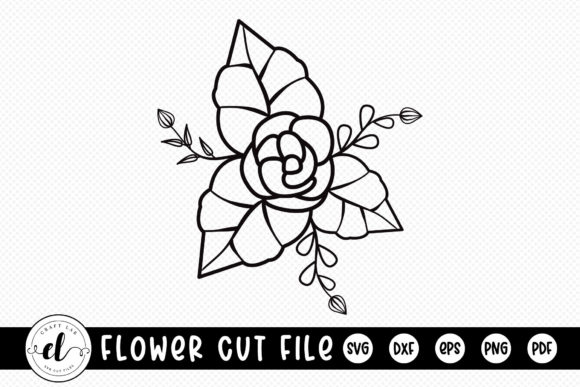
When I opened Rose for the first time, I didn’t see “just another floral.” I saw balance—soft curves that breathe, a center with quiet definition, and petal edges that suggest movement, not rigidity. It’s not overly fussy, nor is it stripped-down to the point of anonymity. As a machine embroidery design, Rose lands in that sweet spot where elegance meets wearability. It feels like something you’d stitch on a linen tea towel for a bridal shower gift—not because it screams “wedding,” but because it carries warmth, intention, and quiet sophistication. That matters when your finished product represents your craft business or personal brand.
Real-World Use: From Tote Bag to Nursery Decor
Last week, I tested Rose on a medium-weight cotton tote bag destined for a local boutique’s spring collection. I chose a muted sage thread on natural canvas—and the result was instantly cohesive, tactile, and shop-ready. The design held its shape beautifully across the slight curve of the bag’s front panel. No distortion, no skipped stitches, even at the outermost petal tips. That tells me Rose has smart digitizing: consistent stitch density, thoughtful satin stitch direction, and fill areas that don’t overwhelm the fabric.
I also ran it on a baby onesie (100% cotton interlock) using lightweight cutaway stabilizer. Here, Rose shone as a subtle, tender detail—not too large, not too dense. It read clearly at 3.5 inches wide, and the gentle taper of the stem kept it from feeling top-heavy on delicate garment seams. For Etsy sellers offering personalized baby embroidery, this is exactly the kind of versatile, emotionally resonant design that converts browsers into buyers.
On a structured cotton twill apron? Yes—it anchored the chest pocket without competing with functional details. On a sweatshirt hem? Still graceful, though I recommend keeping it under 4 inches wide to avoid stiffness. And for holiday embroidery or wedding gifts? Pair it with minimalist typography or a single monogram, and Rose becomes part of a curated story—not just decoration.
Where to Proceed with Care
Rose isn’t magic—it’s a well-designed embroidery file that still needs context-aware judgment. On highly textured fabrics like bouclé or thick terry cloth, the finer petal contours may soften visually. Test it first. On stretchy knits (think t-shirts or leggings), use appropriate stabilizer—medium-weight tear-away plus light cutaway underneath—to prevent puckering around the curved outer edges.
Dark fabrics demand attention to thread color contrast. That delicate center detail? It can disappear if you choose a thread only one shade lighter than the base. I suggest testing Rose in black-and-white mockups before finalizing thread choices—especially for digital product previews or printable mockups aimed at craft business clients.
Avoid cramming Rose into tiny hoops (<3.5 inches) unless you’re scaling it down intentionally. Some subtlety in the layered petal transitions gets lost below 2.75 inches. Likewise, on curved surfaces like caps or hats, verify how the design flows over the crown seam—digitally preview it in your embroidery software first. And while it works beautifully as a standalone motif, don’t force it into tight clusters with other detailed graphics; Rose earns its presence by breathing.
What It Adds to Your Finished Product
This is where Rose quietly elevates your work. It doesn’t shout—it invites closer looking. That builds perceived value in handmade products. Customers notice the care in the satin stitch flow, the absence of thread nests, the way light catches the raised center. That translates directly to trust: they believe your custom apparel or embroidered patch is made with skill, not just speed.
For small shop owners and creative entrepreneurs, consistency matters. Rose reads as intentional whether stitched on a kitchen towel, a pillow cover, or a boutique-branded notebook sleeve. It supports brand cohesion without locking you into a single aesthetic—pair it with clean sans-serif fonts for modern appeal, or script lettering for vintage charm.
And yes—it’s gift-ready. Not flashy, but meaningful. A Rose-embroidered tea towel feels like a keepsake. A Rose-applique patch on a denim jacket feels personal, not mass-produced. That emotional resonance is what makes craft business customers return—and refer.
Practical Designer Notes Before You Stitch
- Always test on scrap fabric matching your final project’s weight and weave—especially for baby embroidery or commercial embroidery where durability matters.
- Review stitch density in your software. If the center fill looks overly dense, consider adjusting underlay or reducing density slightly for breathable fabrics.
- Confirm hoop size compatibility—Rose’s layout suggests it’s optimized for standard 4x4 or larger hoops, but double-check before hooping expensive garments.
- Inspect small details at 200% zoom: petal tips, stem taper, and inner contour lines should be crisp, not jagged or oversimplified.
- Check licensing before selling finished items or bundling Rose into digital embroidery kits—this applies whether you’re an Etsy seller or a wholesale craft supplier.
- Use proper stabilizer: medium cutaway for knits, lightweight tear-away for stable wovens, and fusible + tear-away combo for sheer or slippery fabrics.
Final Thought: A Design That Serves the Maker
Rose isn’t just another flower in the Crafts category—it’s a considered design asset. It respects the limitations of thread and fabric, honors the time investment of the embroiderer, and delivers quiet confidence to the customer holding the finished product. Whether you're stitching personalized gifts, building a line of boutique merchandise, or sourcing reliable graphics for your digital product store, Rose performs without demanding constant correction. In a world full of over-digitized, over-saturated motifs, that reliability is rare—and valuable.