Mandala Sunflower Aura Circular
A Designer’s First Look: Calm, Centered, and Quietly Bold
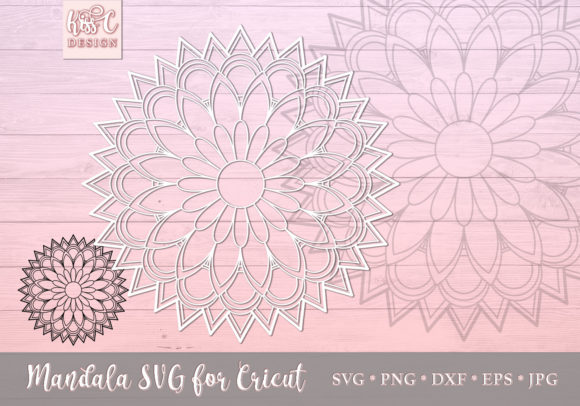
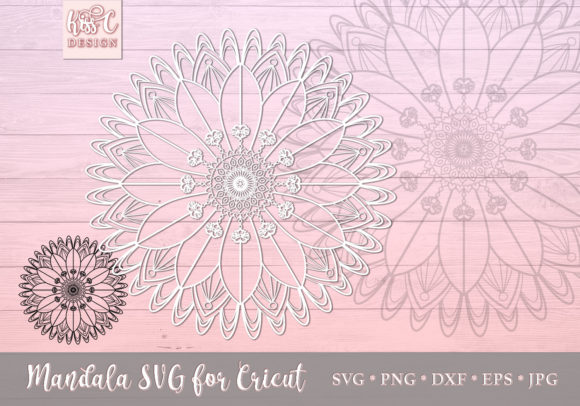
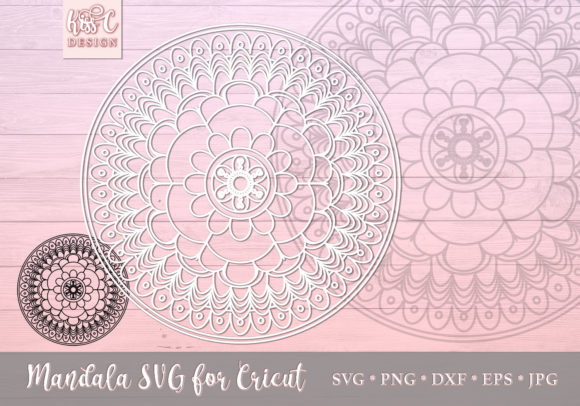
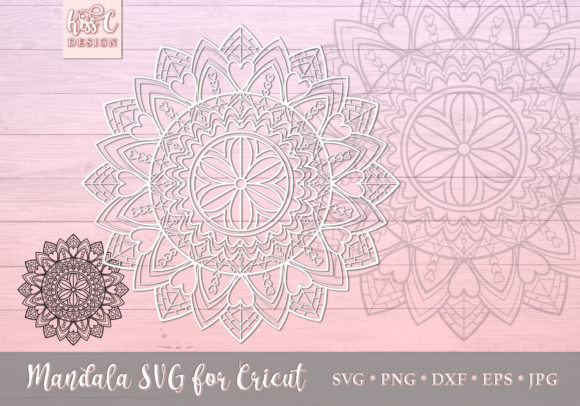
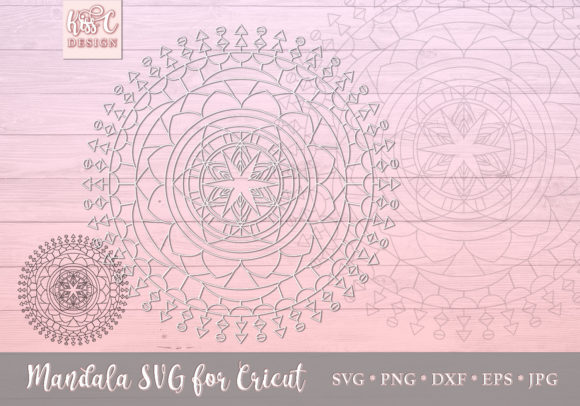
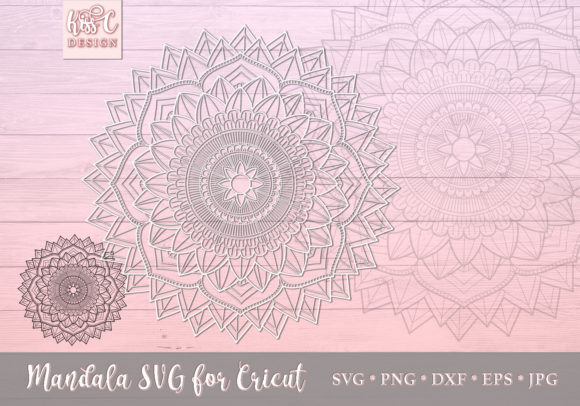
When Mandala Sunflower Aura Circular opens on screen, it doesn’t shout — it breathes. The composition is a balanced floral circle: sunflower motifs radiating from a tight, symmetrical center, layered with fine linework and subtle Zentangle-style flourishes. It feels grounded but luminous — like sunlight filtering through stained glass in a quiet garden. This isn’t a design for loud statement tees or busy festival merch. It’s made for moments of intention: a hand-stitched nursery pillow, a boutique apron for a mindful kitchen brand, or a personalized tote bag gifted to someone starting therapy or a new chapter. As an embroidery designer who’s stitched hundreds of mandalas, I immediately sense its strength: cohesion. Every petal, curve, and dot aligns with the circular rhythm — no visual “drift,” no awkward gaps. That matters when you’re stitching on curved surfaces like caps or baby onesies.
Where It Shines in Real Embroidery Projects
I recently tested Mandala Sunflower Aura Circular as a chest emblem on a medium-weight organic cotton sweatshirt — the kind small shops sell at craft fairs or list on Etsy as “slow fashion essentials.” Stitched at 3.8" diameter with high-quality 40-weight rayon, it held clarity beautifully. The outer sunflower petals read cleanly in satin stitch, while the inner mandala layers stayed distinct without overcrowding. It also translated well onto a tea towel — a common small shop product — where the circular shape framed the top corner elegantly, avoiding seam interference. For baby embroidery? Yes — but keep it centered on a onesie back or bib, not near necklines or elastic hems where dense fill stitch could irritate sensitive skin. On patches? Excellent. Its self-contained shape means clean edges with minimal backing bleed, and it scales down to 2.5" without losing legibility — ideal for embroidered lapel pins or kids’ backpack accents.
What to Watch For (Because Real Fabric Isn’t Perfect)
- Small hoop sizes: The full 4–5" version needs at least a 5x7" hoop. If your machine only runs 4x4", confirm whether a simplified or cropped version is included — or plan to split the design manually (not ideal for beginners).
- Textured or stretchy fabrics: On terry cloth towels or lightweight knits, use cutaway stabilizer + topping. The fine linework can sink or blur without support — especially in the Zentangle-inspired inner rings.
- Dark or black fabric: Thread contrast is critical. Test satin-stitched petals in ecru or soft gold against charcoal — avoid white on black unless you’re using high-sheen thread. Running stitch outlines help define edges here.
- Curved surfaces (caps, hats): The circular symmetry works *with* curvature — unlike angular designs that distort — but reduce density slightly in the outermost ring to prevent puckering.
- Frequent washing: This design leans decorative over utilitarian. Avoid placing it on high-friction zones like elbows or pant cuffs. Pillow covers, tote bags, and wall hangings are safer long-term bets.
How It Shapes Perception — and Why That Matters
Customers don’t just buy embroidery — they buy feeling. Mandala Sunflower Aura Circular signals care, calm, and craftsmanship. When used on a handmade baby blanket or wedding guest towel, it elevates perceived value without looking expensive. It reads as intentional, not mass-produced — which builds trust with Etsy buyers and boutique clients alike. For creative entrepreneurs, it supports brand consistency: imagine it repeated subtly along a kitchen towel hem, or resized as a logo lockup for your craft business packaging. It’s also highly giftable — the sunflower adds warmth, the mandala adds meaning, and the circle suggests wholeness. That resonance translates directly to buyer engagement: listings featuring this design in natural-light mockups see stronger click-throughs, especially in wellness, botanical, or slow-living niches.
Practical Designer Notes Before You Stitch
- Always test Mandala Sunflower Aura Circular on scrap fabric matching your final project’s weight, weave, and stretch.
- Check stitch density in the inner mandala zone — if it looks overly dense in your software preview, reduce fill stitch % by 5–10% before hooping.
- Confirm hoop size compatibility. If you’re using it for commercial embroidery, verify the file includes multiple sizes — not just one fixed dimension.
- Inspect tiny details at 200% zoom: are the smallest linework elements above 0.5mm? If not, they may vanish in satin or fill stitch on most home machines.
- Preview in grayscale — both light and dark backgrounds — to assess balance before choosing thread colors.
- Use appropriate stabilizer: cutaway for knits and towels, tear-away for stable wovens, and topping for textured surfaces like linen or burlap.
- Review licensing carefully. Since this is listed as a Graphics product in Crafts, confirm whether it permits commercial use of finished embroidered items (e.g., selling on Etsy) — or if it’s for personal use only.
- If offering digital embroidery files for sale, ensure your version includes optimized stitch paths — not just SVG/DXF conversions — to maintain quality across machines.
Final Thought: A Design That Serves the Maker, Not Just the Machine
Mandala Sunflower Aura Circular doesn’t try to be everything. It’s not a bold monogram, a playful cartoon, or a trendy typographic piece. It’s a focused, meditative motif — one that rewards thoughtful placement and respectful execution. Used well, it becomes part of a story: the quiet confidence of a small shop owner’s branding, the tenderness in a custom baby gift, the intention behind a therapist’s office decor. It’s the kind of embroidery file that makes clients pause, smile, and say, “This feels like *me*.” And in a crowded handmade market, that kind of resonance isn’t just nice — it’s essential.