Floral Frames Bundle
A Designer’s First Glance: Delicate, Versatile, and Quietly Confident
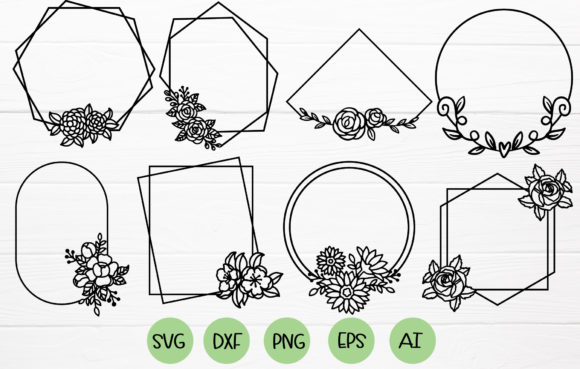
Opening the Floral Frames Bundle feels like flipping through a well-curated sketchbook—eight distinct frames, each with its own botanical rhythm. Not overly fussy, not minimalist to the point of sterility. These are floral frames that breathe: soft curves, balanced negative space, and just enough petal definition to read clearly at 3–4 inches tall. As an embroidery designer who’s stitched hundreds of client projects—from boutique baby onesies to holiday market tote bags—I immediately sensed where these would land best: on items where elegance matters more than impact, and where the frame itself becomes part of the storytelling.
Real-World Test: Embroidering a Linen Kitchen Towel for a Local Café
Last week, I used one of the smaller frames from the Floral Frames Bundle to embroider a monogrammed linen tea towel for a neighborhood café’s opening gift set. The chosen frame was about 3.5" wide, with trailing vines wrapping gently around the perimeter—not too dense, no tiny interior flourishes. It stitched cleanly on mid-weight linen with tear-away stabilizer and standard 40-weight rayon thread. No skipped stitches, no puckering. What stood out wasn’t just technical performance—it was how the frame *framed* the experience: the monogram sat centered and calm, the vines softened the edges without competing, and the whole piece felt intentional, handmade, and quietly premium. Customers noticed it. They ran their fingers over the satin stitch borders and commented on how “thoughtful” it looked. That’s the quiet power of a well-balanced floral frame—it elevates the finished product without shouting.
Where It Shines (and Where It Asks for Care)
The Floral Frames Bundle works beautifully across a range of embroidery projects—but not all equally. Here’s what I’ve observed:
- Custom apparel: Ideal for sweatshirt cuffs, t-shirt hems, or back-of-cap placements—especially when you want subtle branding, not bold graphics.
- Baby embroidery: Gentle scale and open structure make several frames perfect for onesies or burp cloths. Just avoid the most intricate corners if stitching on ultra-thin interlock knit.
- Embroidered patch: Several frames translate well to sew-on patches—clean outer lines hold up in cut-and-sew, and the internal spacing prevents fill-stitch bleeding.
- Tote bag design: A standout use. The frames anchor logos or names elegantly on canvas or cotton duck without overwhelming the fabric’s texture.
- Holiday embroidery & wedding gifts: Think linen napkins, pillow covers, or guest towels. These frames add ceremony without cliché.
Watch Your Stabilizer—and Your Fabric Choice
This isn’t a “load-and-go” machine embroidery design for beginners. While the stitch density feels moderate overall, some frames include tighter vine wraps or layered petal outlines that demand attention on textured or stretchy fabric. On a curved surface like a cap, I recommend testing the smallest frame first—its proportions hold better than the wider, more ornate versions. On dark fabric, contrast is your friend: white or ecru thread pops cleanly against navy or charcoal, but avoid pale yellow on beige unless you’re using a high-sheen thread. And yes—always test on scrap fabric first. Not just for stitch quality, but to see how the frame’s visual weight lands in context. A design that looks airy on screen can feel heavy once stitched on a thick terry cloth towel.
What This Bundle Gives Craft Businesses—Beyond the Files
As someone who advises Etsy sellers and small shop owners, I appreciate that Floral Frames Bundle doesn’t try to be everything. It’s focused. That focus translates directly into brand consistency: imagine using the same frame across your product line—baby blankets, kitchen linens, boutique packaging tags. It becomes a quiet signature. For digital embroidery file buyers, the inclusion of SVG, DXF, PNG, EPS, and AI means flexibility across platforms, whether you’re prepping for Cricut-based applique or refining vector paths for commercial embroidery digitizing. But remember: file variety doesn’t equal automatic embroidery readiness. These are cut files first—so if you plan to convert them for machine embroidery, confirm stitch count, underlay, and pull compensation with your digitizer or software. And always review licensing before selling finished embroidered products or reselling digital assets.
Design Notes Every Embroidery Professional Should Keep Handy
- Test the design on scrap fabric *in your actual production setup*—same stabilizer, same thread, same hoop size.
- Check thread color contrast on both light and dark fabric mockups before finalizing a client preview.
- Review small details closely: inner corners, vine junctions, and petal tips may need slight cleanup if converting manually to embroidery format.
- Use proper stabilizer—lightweight cut-away for knits, tear-away for stable wovens, and optional topping for napped fabrics like fleece.
- Confirm whether your intended use falls within commercial license terms—especially if selling finished embroidered items or bundling the files into your own craft business kits.
- Try black-and-white printable mockups first. If the frame reads clearly in grayscale, it’ll translate reliably across thread colors and fabric types.
Final Thought: It’s Not Just a Frame—It’s a Design Decision
Using Floral Frames Bundle isn’t about filling space. It’s about choosing tone. Choosing pause. Choosing refinement over repetition. In a market flooded with loud, scalable graphics, this bundle offers something rarer: quiet confidence. Whether you’re stitching a personalized gift for a new parent, building cohesive branding for your craft business, or sourcing reliable design assets for Etsy listings, these frames support intention—not just decoration. They don’t dominate the garment or object; they honor it. And that, in real-world embroidery work, is where trust begins—with the customer, with your brand, and with every stitch you place.