Flamingo Floral: A Designer’s Real-World Embroidery Review
First Impressions: Tropical Charm, Not Just a Trend
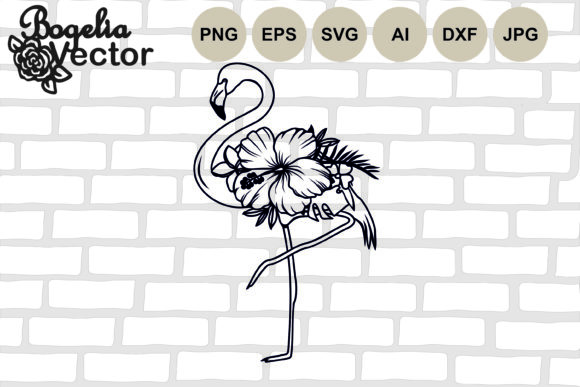
When I opened Flamingo Floral for the first time, I didn’t see another “summer SVG”—I saw a design with quiet confidence. The flamingo isn’t cartoonish or overly stylized; it holds its pose with gentle asymmetry, one leg bent just enough to suggest motion. The floral elements wrap organically—not as filler, but as extension: vines curl behind the neck, petals nestle near the wing, and tiny buds echo the curve of the beak. It feels like a hand-drawn motif translated thoughtfully into vector form. That matters. Because in embroidery, intention shows—especially when stitch density and thread tension start revealing what the designer prioritized.
A Real Project Test: Custom Tote Bags for a Local Boutique
Last week, I prepped Flamingo Floral for a batch of linen-cotton blend tote bags—part of a small shop’s summer collection. These aren’t quick-turn Etsy listings; they’re $48 handmade products sold in a curated downtown boutique where customers notice stitching grain, thread sheen, and how well a design breathes on fabric. So I treated Flamingo Floral like a client project from day one: tested on scrap, checked stabilizer pairings, and mocked up both light and dark fabric backgrounds.
On medium-weight natural linen, the design held beautifully. The satin-stitched beak and wing edges stayed crisp, and the floral fill stitches distributed evenly—no pooling or skipped areas. But on a stretchy cotton jersey tote (a backup option we considered), I paused. The curves around the flamingo’s neck tightened under tension, and fine petal outlines softened. Not a dealbreaker—but a clear signal: Flamingo Floral shines best on stable, low-to-medium stretch fabrics. Think canvas, twill, quilting cotton, or structured knit blends—not thin tees or ribbed baby onesies unless stabilized heavily.
Where It Shines—and Where It Needs Careful Handling
- Great for: Sweatshirt embroidery (especially on chest placement), embroidered patch blanks, pillow covers with tight weave, kitchen towels with flat-woven texture, nursery decor on cotton duck, and holiday gifts like monogrammed beach towels or personalized aprons.
- Use thoughtfully on: Curved surfaces like caps (the top curve of the flamingo’s head may distort without proper hooping technique), dark fabrics (test thread contrast—some floral details fade if metallic or pastel threads are used without backing), and layered garments like reversible jackets (stitch density may require lighter underlay or reduced fill).
- Less ideal for: Tiny hoop sizes under 4×4 inches (the composition reads best at 3.5–5 inches wide), ultra-thin silk or chiffon (delicate petals risk fraying), or high-wash-frequency items like baby bibs unless digitized with reinforced underlay and wash-safe threads.
What It Adds to Your Finished Product—Beyond Aesthetics
Flamingo Floral doesn’t just decorate—it elevates perception. On a plain cotton tote, it transforms utility into intention. Customers don’t just see “a flamingo.” They register craftsmanship: the way the stem wraps the leg, how the flower centers align with the eye, the balance between open space and stitched detail. That subtlety builds trust. For an Etsy seller, that means fewer questions about “is this hand-done?” and more repeat buyers who recognize your style across listings. For a craft fair vendor, it means people pause—not because it’s loud, but because it feels *considered*.
I also noticed how well it scales in digital mockups. Whether previewing on a light heather sweatshirt or a navy tea towel, the proportions hold. That’s rare in floral-animal hybrids, where either the bird dominates or the flowers look tacked on. Here, they share visual weight. That makes Flamingo Floral strong branding material—not just a one-off design, but part of a cohesive summer line you could extend with coordinating borders or monogram frames.
Practical Notes Every Embroidery Designer Should Check
- Test on scrap fabric matching your final product’s weight and stretch—don’t skip this step even if you’ve used similar files before.
- Review stitch density: dense floral fills can cause puckering on lightweight fabrics. If needed, reduce fill density by 5–10% in your embroidery software.
- Confirm hoop size compatibility—Flamingo Floral works cleanly in standard 5×7 hoops, but verify spacing if combining with text or borders.
- Inspect small details: the tip of the beak, inner petal veins, and vine endpoints. These often need slight cleanup in editing software if they appear jagged or overly thin in the original file.
- Mock up in black and white first—this reveals contrast issues invisible on screen, especially important for commercial embroidery where thread color selection impacts production speed and cost.
- Always use appropriate stabilizer: tear-away for stable wovens, cut-away for knits, and soft cut-away for lightweight linens.
- Verify licensing terms before using in client work or selling finished items—Flamingo Floral is listed under Graphics, so confirm whether it permits commercial embroidery use or requires extended licensing.
Final Thought: A Design That Works With You, Not Just On You
Many tropical embroidery files feel like they were built for social media thumbnails—not real-world wear, washing, or customer expectations. Flamingo Floral avoids that trap. It’s not the flashiest file in the Crafts category, but it’s one of the most reliable. It respects fabric. It respects stitch behavior. And it respects the maker’s time—because when you load it into your machine, you’re not troubleshooting distortion or re-digitizing petals. You’re focusing on thread selection, placement, and the quiet satisfaction of watching a thoughtful design become something tactile, wearable, and genuinely loved.
If you’re choosing between dozens of flamingo-themed graphics for your next craft business launch, skip the ones that shout. Choose the one that stands still long enough for the details to matter. That’s Flamingo Floral.